Why Fascia Matters for Your Health
Have you ever wondered if ongoing chronic pain and movement restrictions could be linked to past emotional stresses and trauma?
Fascia is more than “just connective tissue.”
You can improve your health and wellbeing by learning about fascia and how this vital connective tissue network impacts movement, pain, and even emotional states.
What is Fascia?
Fascia is a thin sheath of fibrous tissue that holds every organ, muscle, blood vessel, and nerve fiber in place.
It plays a crucial role in structural support by enveloping organs, muscles and other structures. It also protects these structures as a barrier by reducing friction between tissues. It contributes to flexibility, allowing the body to stretch and move. Fascia also contains a rich network of sensory receptors and nerve endings essential for your sense of balance and body awareness.
Think of it as a body-wide web, or a living fabric.
Fascia as an Electrical Network
But fascia isn’t just mechanical – it is electrical. Fascia acts like the body’s electrical wiring system, meaning that it is essential for the transmission of bioelectrical signals throughout the body. This network communication is significantly faster than that of the fastest nerve cell.
Why Hydration Matters for Fascia
The gel-like substance in fascia requires water to function correctly, allowing the tissue layers to glide over one another. Dehydration makes the fascia sticky leading to reduced elasticity, adhesions, restricted mobility, and increased risk of muscle imbalances and injuries. Additionally, dehydration can disrupt the cellar communication by jamming bioelectrical signals.
Fascia in Kinesiology Practice
During a Kinesiology session, your body, through muscle testing, identifies if we need to work with your fascia. We use specific fascia corrections which use hands-on techniques to release restrictions and promote functional movement. Additionally, we also assess and balance your hydration and meridians as required to support the fascia and your body as a whole.
Following a fascia correction, clients notice pain relief, feel calmer, and have improved flexibility. These fascia balances in conjunction with TMJ balances can produce a 60% reduction of trauma.
Fascia and Trauma
Fascia is able store information by reorienting its collagen fibres in response to mechanical stresses and stress hormones.
This ‘fascial memory’ affects tissue function and movement. It also affects the nervous systems processing of proprioception and emotion. This creates somatic imprints of past physical and emotional experiences.
Emotional trauma often causes the body to enter a freeze response, which can lead to fascial restrictions and a shutdown of normal movement patterns. Fascia can harden, tighten and lose its elasticity and put pressure on nerves and blood vessels.
Additionally, physical trauma such as injuries or surgeries can often result in scar tissue, which while it is part of the body’s natural healing process, it is less flexible than normal fascia and can form adhesions that bind tissues together. These adhesions restrict movement as the fascia is unable to glide smoothly.
How Fascia Trauma Shows Up in the Body
Emotional and physical trauma of the fascia can cause:
Chronic pain (especially shoulders and neck)
Postural changes (placing extra stress on specific areas, especially lower back, hips and shoulders)
Pain, stiffness, limited range of movement
Circulation (tingling, numbness, burning, paleness, and a feeling of fullness or tightness within the affected area)
Pain that lingers long after an injury
Emotionally overwhelmed and/or exhausted after bodywork or stretching
Because fascia is rich in nerve endings, these restrictions aren’t just physical—they're deeply intertwined with your emotional and neurological state.
Fascia and Energy Pathways
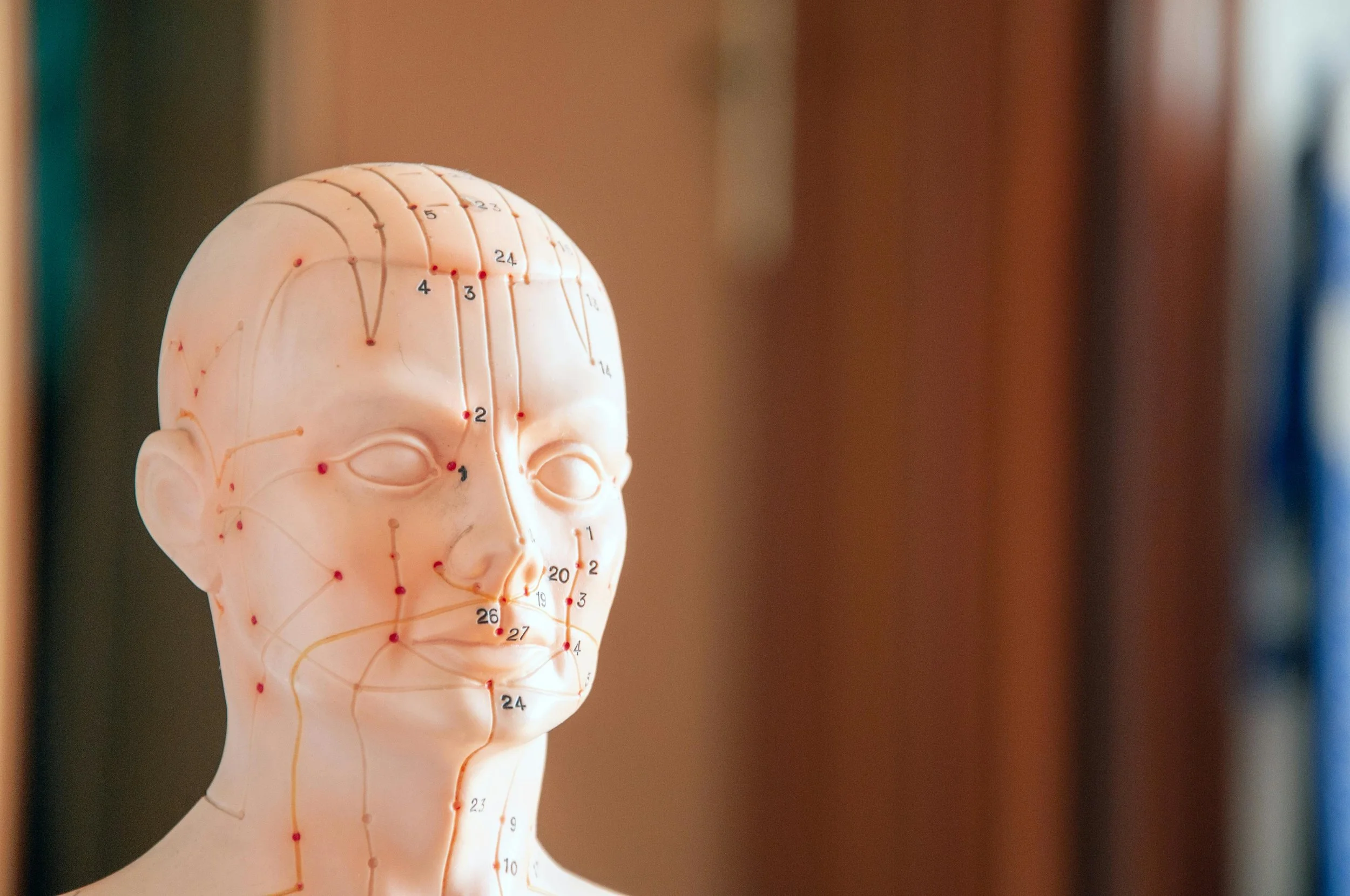
As a conductor for electrical energy, fascia is also theorised to be the conduit for ‘Qi’ as it travels through our bodies. Thousands of years ago, the Chinese identified meridians being the energy channels or highways mapped within the body. These meridians closely resemble the distribution of fascial planes and lines, suggesting fascia may be the anatomical basis for the meridian system.
Acupuncture points lay along these meridians. Studies have shown that stimulation of these acupuncture points cause chemical changes at a cellular level which increase electrical conductivity. This may help explain the transmission of Qi and the energetic role of the meridian system, supporting communication between cells, tissues, and organs to allow energy to flow throughout the body.
Self-Care for Fascia
You can also practice simple self-care techniques to repair and keep your fascia healthy, such as maintain adequate hydration (for more information on water, see previous blog here: Why you should drink more water , gentle stretching, foam rollers, and movement in the sun.
Take a few moments each day to notice how your body feels in everyday life.
Work With Me
In my Kinesiology, I often work directly with fascia to help release physical and emotional tension.
If you would like to experience how fascia balancing can reduce pain and stress, I’d love to support you. You can book an appointment, at the “Book Now” button on this website, direct message, or phone 0404 286 763.
The Heart of It
Fascia is a living integral part of us, that stores emotional experiences, and functions as an information superhighway of the body.
Disclaimer: The information on this page is explanatory in nature and is provided as general information only. It should not be relied upon as medical, or other professional advice of any kind. Always seek the advice of your doctor or qualified health care provider with any question you may have regarding a medical condition or treatment before undertaking a new health care regimen.