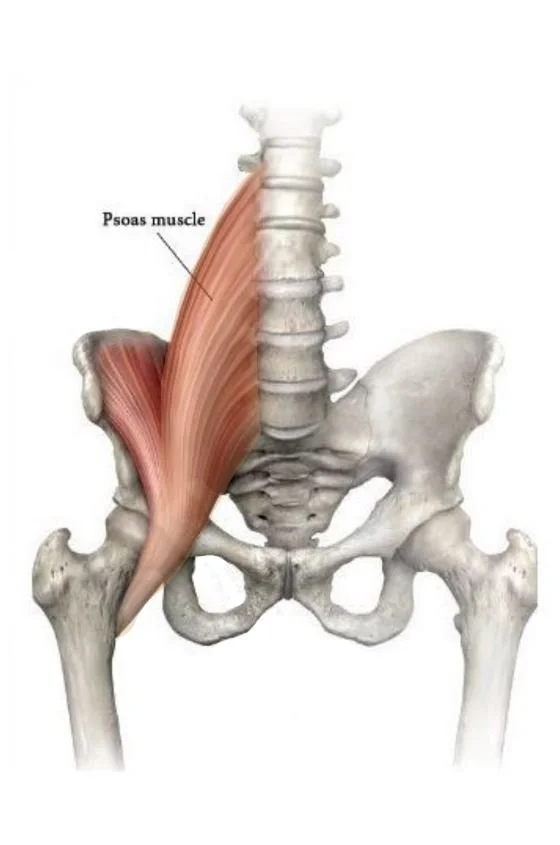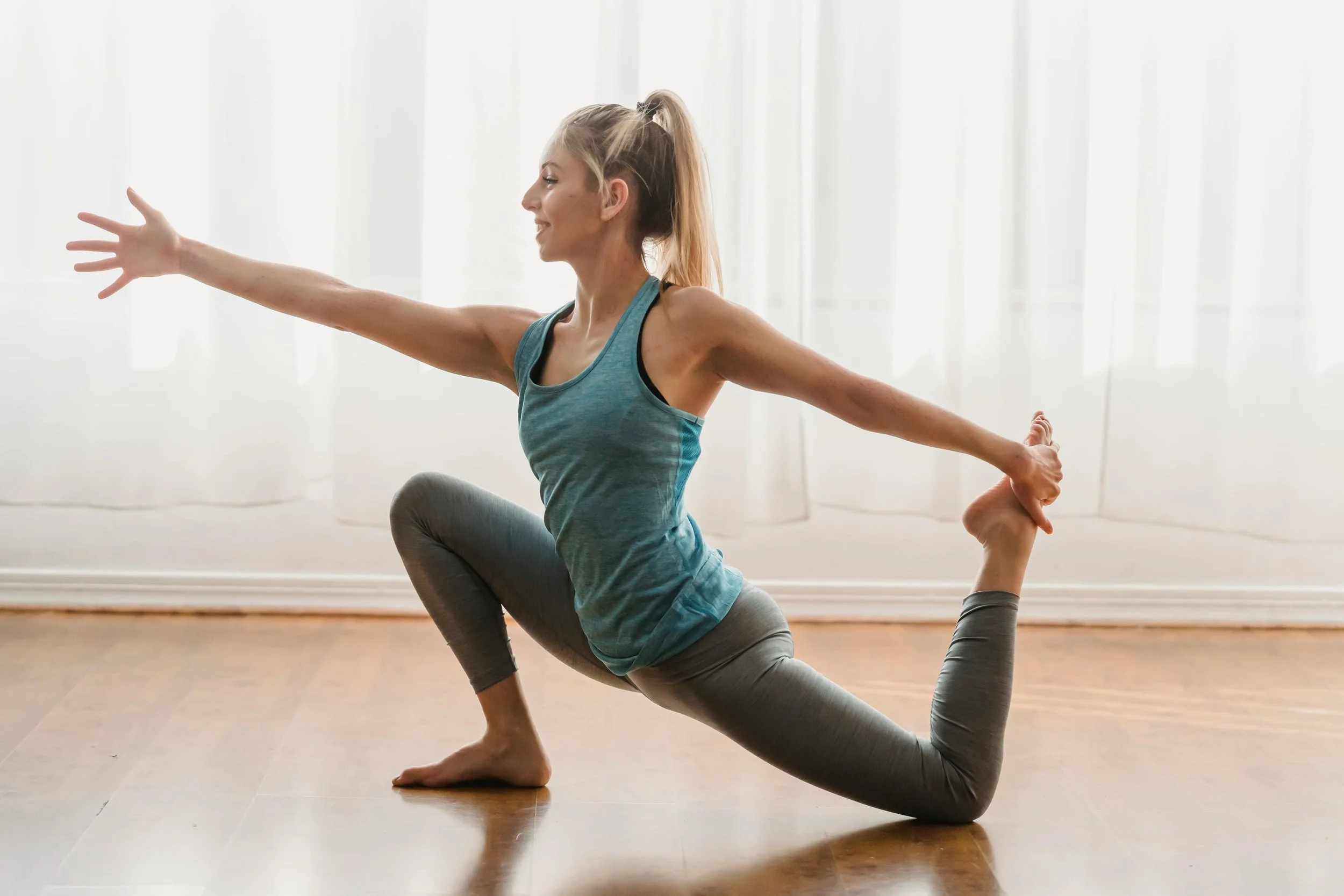
The Psoas muscle (pronounced SO-as) is the keystone of a balanced body.
The work of Liz Koch in “The Psoas Book” provides a comprehensive guide to the psoas muscle and its profound influence on the body, mind and emotions. The following is a brief summary of her work, including why and how you are able to support your psoas.
The psoas is an involuntary muscle and cannot be consciously controlled. It directly links the spine to the legs. Acting like a pendulum, it supports the free swinging of the leg while walking. Its location has an interrelationship with the diaphragm, abdominal organs, blood and nerves.
It influences:
Posture
Leg length discrepancy
Lower back, neck and knee injuries
Impaired circulation
Digestion and elimination
Adrenal and kidney health
Reproductive systems
Sciatic pain
The psoas is also known as the flight-fight-freeze muscle.
As part of the fear response, the psoas is called into action by rolling the midline into a fetal curl. The psoas has the power to immobilise - freezing a person in their tracks. The flight response activates the extensor muscles in preparation for dynamic movement of running; or standing ground to fight.
However, if the fear response in a person fires repeatedly with little or no recovery time, this behaviour conditions the body for its next attack by maintaining perpetual tension. Nourishment is diminished to the psoas while the level of tension accumulates. It radiates throughout the organs and nervous system.
Consequently, people do not have ‘weak’ psoas muscle that needs strengthening, rather they have an exhausted psoas due to an overwhelmed nervous system. The exhausted psoas influences the breath, organs and nervous system.
However, dry, short or constricted psoas muscles can become once again, supple and responsive. This can start to be achieved through use of the Constructive Rest Position.
Instructions:
Choose a quiet and safe place. Using a yoga mat or folded blanket, make a space on the floor.
With shoes off, bend knees and place both feet flat on the floor. The feet separated to hip width.
(If need, place a towel no thicker than 4cm under the back of the head. Ensure that the towel is under the upper half of the skull rather than under the neck, allowing the head to remain in a neutral position.)
Allow the arms to rest at the side of the body, on top of the hips or resting over the chest. The eyes softly open.
Rest in this position for 10-20 minutes.
When ready to leave the position, roll to one side and rest for 1-3 minutes before getting up slowly. Push off the floor slowly. Once standing, take time to observe the changes in your alignment. (If prone to back pain, walking on a flat surface for 5-10 minutes and avoid fast, deep flexing movements.)
It is best to do this before an activity such as yoga, or after the day’s work. Do not do so before going to sleep.
What to expect:
As the psoas releases, you may experience sensations of vulnerability. If physical aches or emotional feelings arise, simply follow the sensations through the body. Notice the stream of images, thoughts and emotions that move through the body as the awareness of sensation increases.
You do not need change or engage with these associations. Rather keep observing the sensations in the body; as well as outside the body, such as sounds, odours, air temperature. Match the external impressions and sensations with the feelings inside. Ideally, a balance will begin to occur between internal and external stimuli. This creates new nerve pathways and frees old conditions to dissolve.
Benefits:
Relieves psoas tension
Creates core neutrality
Re-establishes skeletal balance
Prepares /helps in recovery of stress
In kinesiology, we often use the psoas to indicate an imbalance in the kidney meridian, and with the emotions of anxiety and peace. We also work with the psoas and how it affects the temporomandibular joint. We can work energetically to support the psoas muscle. Subtle, but very effective, energy work is not invasive and therefore does not elicit a person’s instinctive fear response by activating the psoas.
To make a Kinesiology appointment, tap the “Book Now” button in the header, direct message, or phone 0404 286 763.
The information on this page is explanatory in nature and is provided as general information only. It should not be relied upon as medical, or other professional advice of any kind. Always seek the advice of your doctor or qualified health care provider with any question you may have regarding a medical condition or treatment before undertaking a new health care regimen.